
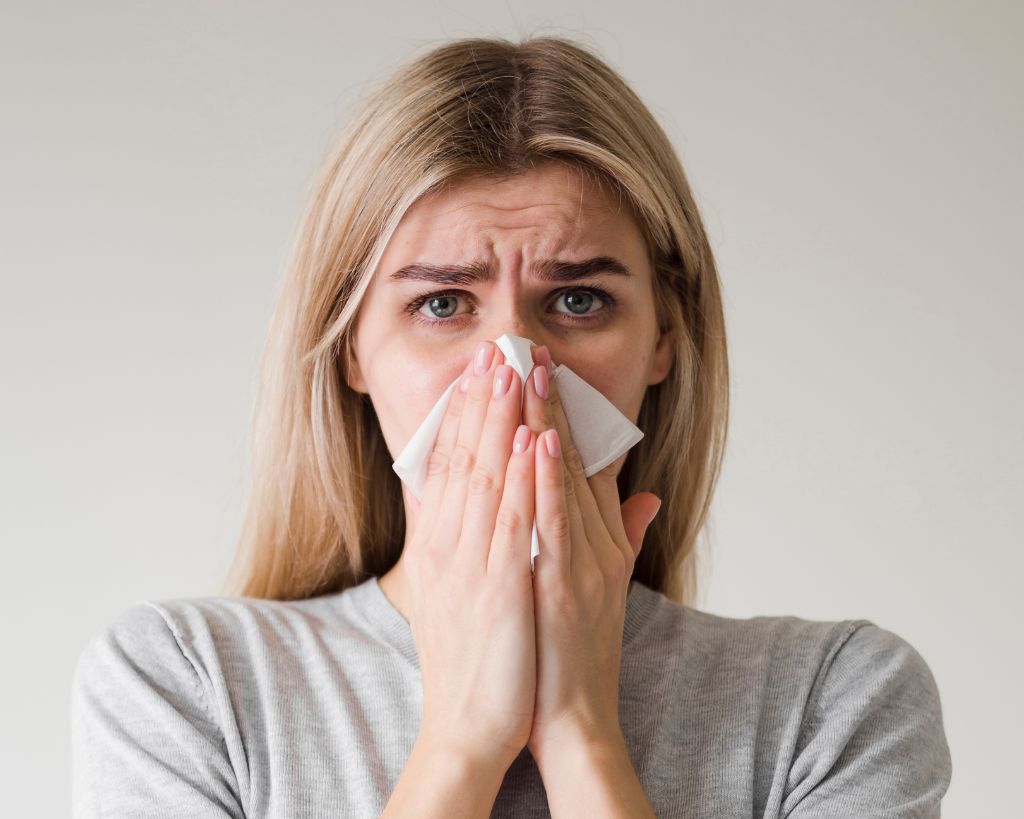

Here’s How to Live with Dog Allergies

If every cuddle with your dog feels like a gamble between love and sneezes, you’re not alone. For many pet owners, itchy eyes, runny noses, and endless sneezing are part of life with their furry best friend. But here’s the good news: allergies don’t have to mean giving up your dog. With the right strategies, you can enjoy the companionship, comfort, and joy your pup brings—without constantly reaching for the tissue box. Pet allergy symptoms include nasal congestion, runny nose, itchy eyes, sneezing, and sometimes wheezing or difficulty breathing.The problem starts with a reaction to certain proteins found mostly in oil secretions from a dog’s skin, saliva, and even urine.

Many people will blame pet hair for their allergy symptoms, but it is not hair itself that causes allergies. Other allergens like dust, pollen, and mold can collect in a pet’s fur. When your dog sheds hair or its skin flakes, proteins are carried into the environment where they may cause an allergic reaction.

Unfortunately these allergens can also stick to carpets, clothing or walls, making you miserable. Every person reacts differently, and allergic reactions are individual, depending on the person and the dog. Though some breeds are said to cause less of an allergic reaction, even hairless dogs can cause allergies.

If you find you are allergic to your best friend and your symptoms are non-life threatening, consider these simple tests to reduce the misery and successfully live with your buddy:

Make sure it’s the dog

First, get to the root of your allergies through simple testing. Ask your allergist to test you specifically for dog dander. You may find you are not allergic to your pet but simply to dander or pollen your dog is carrying in its coat. You may be sensitive to more than just one allergen. Minimize the total allergen concentration in your life by addressing all the possible causes, not just the pet allergy.

Sleep in the zone

Make yourself an allergy-free zone in your home, like the bedroom or home office, and close the door. Install a High Efficiency Particulate Air Filter (HEPA) in the room, and in every room of your home. You can find these at almost any department store or home and garden shop, or online. Buy impermeable covers for your mattress and pillows so that allergen particles carried in on clothes cannot accumulate on them.

Clean and clean again

Clean often to remove dust and dander. Invest in a HEPA vacuum with a micro filter bag to catch allergens. Wash rubber, plastic and other pet toys with mild soap and hot water to remove saliva, which, containing protein, is an allergen. Wipe ceiling fans regularly of dust.

Take a fresh look at design

The more washable the surfaces and materials in your home are, the better. Avoid dust-catching furnishings like heavy carpets and draperies, overstuffed furniture, blinds or knick-knacks. Get curtains that can easily come down to be washed every few months. Keep pillows to a minimum.

If possible, replace carpet with hardwood flooring, linoleum, tile or throw rugs that can be washed frequently.

Give a bath

Give your dog a good shampoo every week to reduce the allergens in fur by as much as 84%, according to the Humane Society of the U.S. A good bath works more effectively than retail products you may be tempted to purchase. Ask your veterinarian for the name of a good allergen-reducing shampoo. After romps, special allergy wipes can be used to wipe paws and fur of allergy triggers.

Desensitize

Allergy shots or immunotherapy can reduce symptoms by gradually desensitizing the immune system by injecting known allergy-causing agents under the skin. This triggers the body to produce antibodies, which block the dog allergen from causing a reaction. Depending on the severity of the allergy, people will receive one dose a week for anywhere from a few weeks to several months. A follow-up dose once a month usually controls the allergic reaction.

Try other treatments

Steroid, antihistamine nose sprays and pills, decongestants and inhalers are alternatives to injections and help control symptoms. What’s important is to find an allergist who understands and sympathizes with your commitment to live with your dog. A good allergy specialist can develop a plan to help manage the allergy and prevent episodes.

Allergies don’t have to mean saying goodbye to your dog—they just mean finding the right balance, routine, and care. Now, I’d love to hear from you: Do you or someone in your family live with dog allergies? What’s the biggest trick or tip that helps you manage? Share your allergy journey in the comments below—I’d love to feature some of your experiences in future content.

And if you have a dog brand, offer a pet-related service, or want to share a heartwarming story with the world, I’d love to spotlight you in my magazine. Get in touch—I’d be thrilled to feature your story!

OIL When we are in alignment and our creativity is flowing

• NIGHTGOWN by MANGO can be an infinitely fulfilling one

• SLIPPERS: new colection on ZARA as if all the world is opening up to us and

• CHAIR: IKEA as if all the world

• SOURCE: Byrdie

Share
Pin
Tweet
Related
Comments

What do you think?

3 Comments:
October 3, 2021

I love reading your blogs! Thanks so much for the tips both in the blog and on your YouTube channel. As a new Interior Design student, I find them to be incredibly helpful, interesting, and inspirational. Keep up the great work!

October 3, 2021

Great tips! I’ve just discovered your Youtube channel, and I love it! Thanks for sharing your content and the day and life of a designer.

October 3, 2021

I am really impressed by the way you are doing business and I am just inspired by it!

Leave a Reply to Rebecca Cancel reply

Your email address will not be published. Required fields are marked *

instagram: